For almost two decades, the name was synonymous with excess. It meant billboards over Atlanta, parties that cost more than a house, and an organization that moved cocaine like it was a Fortune 500 logistics company. But today, the myth has been replaced by a new reality: the man behind the Black Mafia Family is coming home.
While the world watches the hit Starz TV show, the real story of Demetrius “Big Meech” Flenory is far more complex than any script. It is a saga of ambition and betrayal. From the streets of Detroit to the VIP sections of Atlanta, here is the uncut story of the man who tried to conquer the world—and almost succeeded.
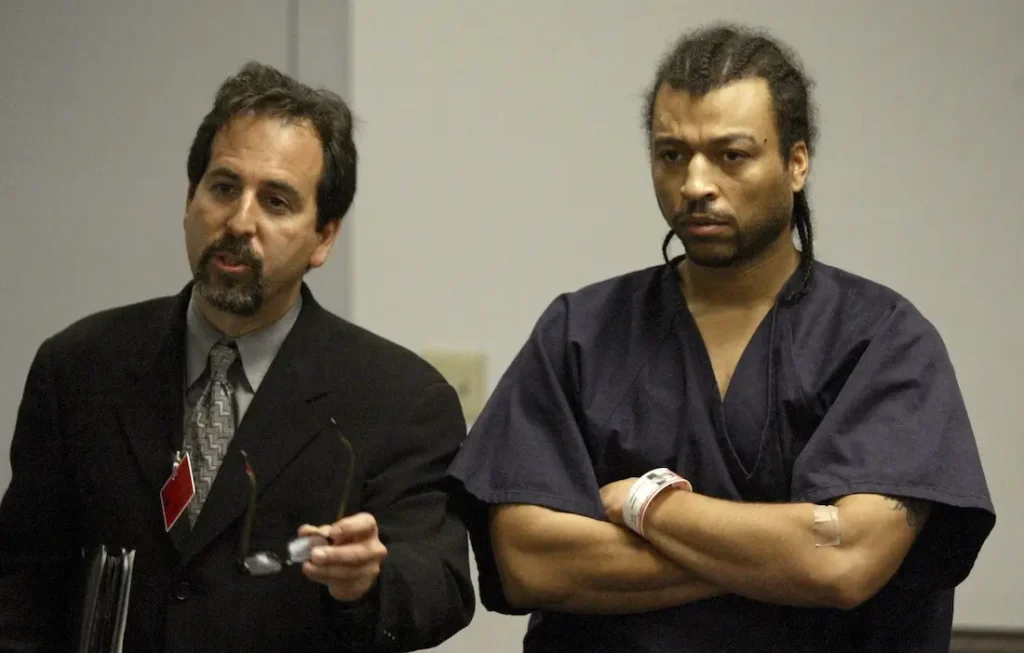
BIG MEECH RELEASED: THE END OF AN ERA
The question dominating social media is simple: is Big Meech out of jail? For years, rumors have swirled, fueled by Instagram posts and false alarms. However, official Federal Bureau of Prisons records confirm a major shift.
IS BIG MEECH OUT OF JAIL? THE OFFICIAL RELEASE DATE
Recently, the news broke that Demetrius Flenory was transferred from federal prison to a Residential Reentry Management (RRM) facility in Florida. While he is not technically “free” to roam the streets without supervision, he is no longer behind bars in a high-security penitentiary.
The specific big meech release date from BOP custody is currently projected for January 27, 2026. However, his transfer to the halfway house signifies the final phase of his sentence. The headlines screaming big meech released are accurate in spirit: the King of Atlanta is back in society, preparing for life after the empire.
WHO IS BIG MEECH? THE ORIGIN AND THE 50 BOYZ
The legend of Big Meech didn’t start in a mansion; it started in poverty on Edel Street in Southwest Detroit. In the mid-80s, the Flenory family was struggling. After 19 years of marriage, Charles and Lucille Flenory divorced due to financial pressures, often living without lights or gas and relying on food stamps. This broken home was the catalyst for Demetrius and Terry. To help their mother with the bills, they didn’t get jobs; they hit the streets.
Initially, they sold bags of weed, but they quickly leveled up. In high school, the brothers linked up with E.D. Boyd, a local millionaire kingpin who introduced them to the crack game. Boyd created a crew known as the “50 Boyz”, named after their signature product: $50 bags of crack cocaine. Operating with their childhood friend Derek, the Flenory brothers were making $20,000 on a good night, though Boyd only paid them a salary of $750 a week.
Violence was part of the curriculum. The 50 Boyz sparked a fierce turf war with a rival dealer named Layton Simon (The Beast). The conflict escalated to shootouts in clubs and on the streets. In 1989, Meech was shot multiple times in a Coney Island parking lot by Simon, an event that didn’t scare him but emboldened him. Days later, he was back on the streets, but the lesson was learned: the crew began carrying guns 24/7. By 1990, ambitious to become more than just local legends, Meech left Detroit for Atlanta to build the empire, while Terry stayed behind to oversee operations.
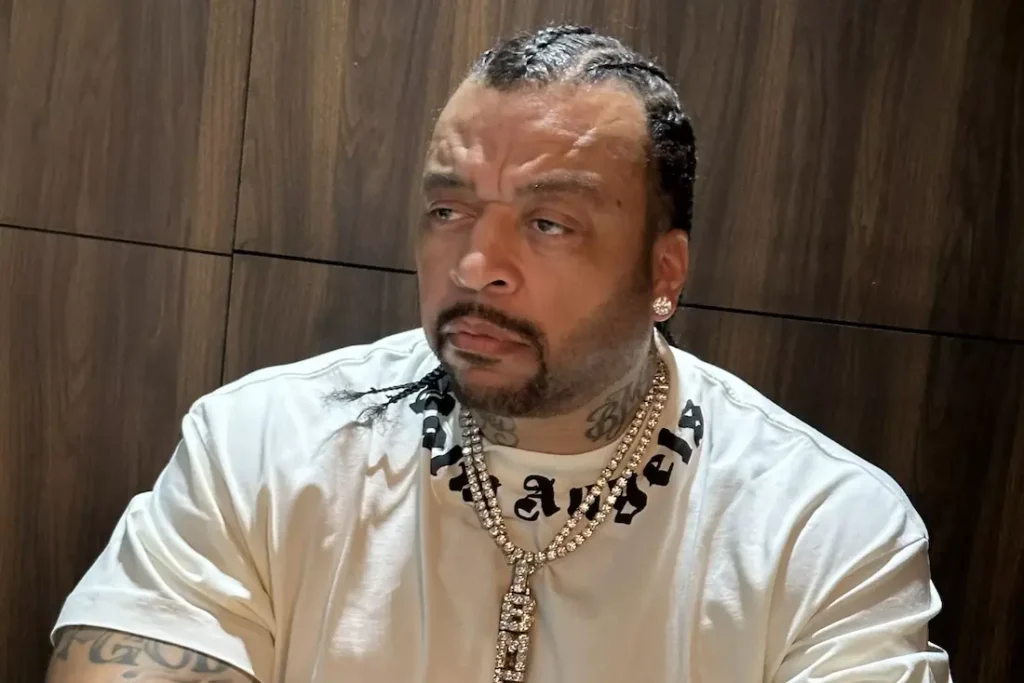
BIG MEECH BROTHER: THE TERRY FLENORY CONNECTION
No story about Big Meech is complete without mentioning the other half of the brain: Terry ‘Southwest T’ Flenory, the organization’s logistics mastermind. The relationship between the Big Meech brother duo was the engine of the BMF.
While Meech was the charismatic face—loud, flashy, and magnetic—Terry was the quiet operator. Terry moved to Los Angeles, while Meech set up shop in Atlanta. This geographical split was not accidental; it was a masterstroke of logistics.
DETROIT TO MEXICO: THE BMF DISTRIBUTION MODEL
The genius of the BMF lay in this “Bridge.” Terry’s role in Los Angeles was to secure direct links to Mexican drug cartels. By bypassing the middlemen that plagued other organizations, Terry secured high-purity cocaine at rock-bottom prices.
This product was then transported across the country in vehicles with sophisticated hidden compartments (traps) to Atlanta, where Big Meech handled distribution. From Atlanta, the drugs were dispersed to hubs in Tennessee, Missouri, Alabama, and back home to Detroit. It was a seamless pipeline: Mexican supply, L.A. logistics, and Atlanta distribution.
BIG MEECH BLACK MAFIA: BUILDING AN EMPIRE
By the early 2000s, the organization formally adopted the name Black Mafia Family. The Big Meech Black Mafia brand was unique because it operated openly. They weren’t hiding in the shadows; they were throwing parties that became legendary.
At its peak, the BMF employed over 500 people. According to federal indictments, the organization moved thousands of kilos of cocaine per month. The scale was staggering. Authorities estimated that during the life of the conspiracy, the brothers generated over $270 million.
THE WORLD IS BMF'S: MARKETING THE BLACK MAFIA
Meech understood branding better than any legitimate marketing executive. In a move that stunned both police and rivals, he rented billboards along Atlanta’s highways declaring, “The World is BMF’s”.
It was a double entendre. To the public, it was a promotion for their music label, BMF Entertainment. To the streets, it was a declaration of dominance. They drove a fleet of black luxury cars, threw six-figure parties at clubs like The Velvet Room, and created a cult of personality that made every young hustler in America want to be part of the movement.
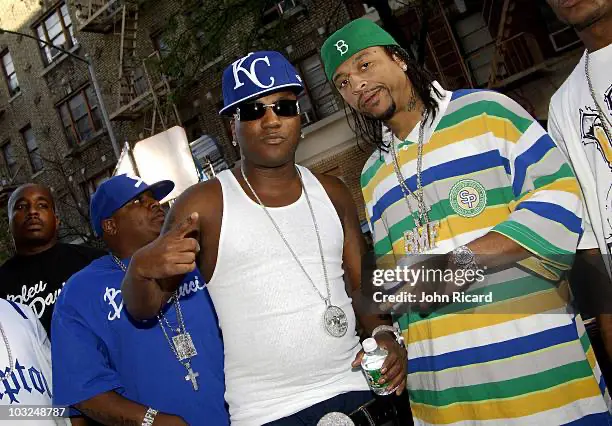
THE LIFESTYLE & BIG MEECH NET WORTH
While Terry handled the logistics in Los Angeles, Meech became the face of the lifestyle in Atlanta. The search for Big Meech net worth often leads to speculative numbers, but federal documents provide a chillingly accurate accounting.
According to the DEA and financial judgments handed down during the indictment, the organization was responsible for generating over $270 million in proceeds. To put that in perspective, investigators estimated that the Flenory brothers distributed between 15,000 and 18,000 kilograms of cocaine during the life of the conspiracy.
This wasn’t just “drug money”; it was an economy. They laundered millions through BMF Entertainment, using the record label to legitimize their income. But mostly, they spent it. Meech was known for throwing parties at the Velvet Room in Atlanta that cost upwards of $100,000 a night, parking fleets of luxury cars outside to let the city know the Kings had arrived.
THE BMF CHAIN: SYMBOLS OF LOYALTY & EXCESS
Nothing symbolized the BMF era more than the jewelry. Meech commissioned custom diamond-encrusted pendants featuring the “BMF” letters. These weren’t just accessories; they were badges of rank.
Sourced often from celebrity jewelers like Jacob the Jeweler, these chains cost tens of thousands of dollars each. In a brilliant (and dangerous) marketing move, Meech appeared in music videos and DVD magazines wearing these chains, effectively branding the criminal organization as a luxury lifestyle brand. However, this visibility came at a price. The flashiness that attracted recruits also attracted the Feds.
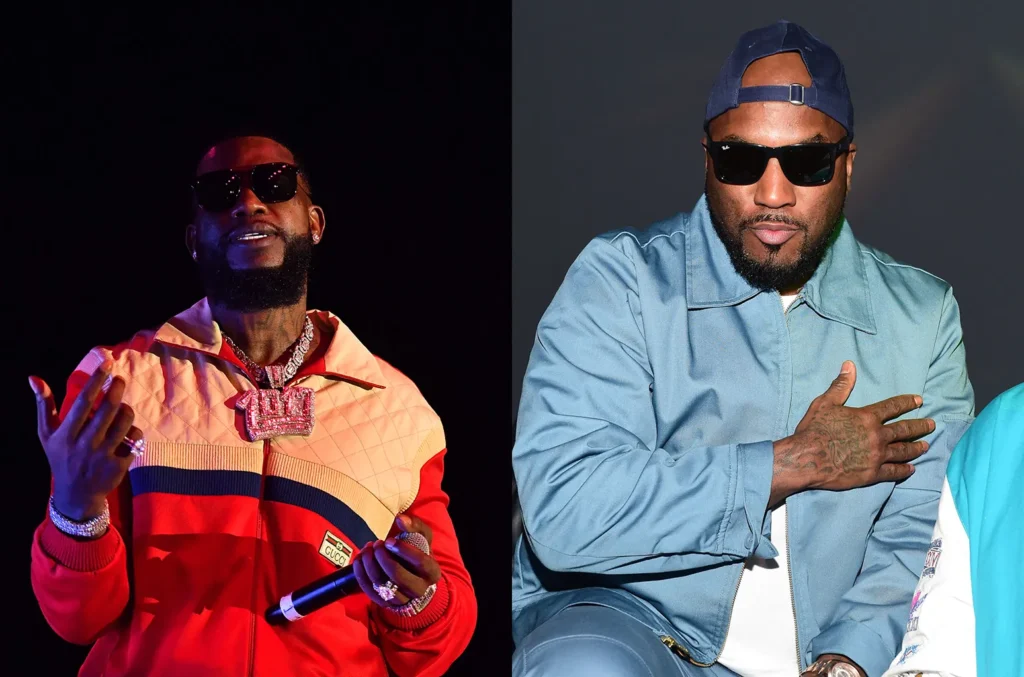
THE BEEFS: GUCCI MANE, JEEZY AND THE BLOODSHED
As BMF’s influence grew, so did the violence surrounding their circle. The most infamous conflict involved two rising rap stars: Young Jeezy, a BMF associate, and Gucci Mane.
THE INVESTIGATION: INSIDE OPERATION MOTOR CITY MAFIA
The downfall of BMF was not an overnight raid; it was a surgical dismantling known as “Operation Motor City Mafia“. Started in October 2003, this task force coordinated by the DEA’s Special Operations Division spent two years building a RICO case.
The most damaging evidence came from technology and betrayal. The DEA intercepted thousands of calls, particularly from Terry Flenory’s phone. In a five-month period, the government amassed 900 pages of wiretap transcripts, capturing Terry complaining about Meech’s excessive partying and “bringing the wrong type of attention” to the business.
The final blow was the cooperation of William “Doc” Marshall, a high-ranking member who became the government’s star witness. Marshall laid out the financials, detailing how vehicles arrived every 10 days with 100-150 kilos of coke packed in secret compartments. His testimony, combined with the wiretaps, led to the indictment of over 150 members and the seizure of $270 million in assets.
50 CENT, BIG MEECH & THE CULTURAL LEGACY
Usually, when a kingpin goes to prison, the story fades. With Big Meech, it only got bigger. This is largely due to the involvement of Curtis “50 Cent” Jackson.
50 Cent, recognizing the Shakespearean drama of the Flenory story, secured the rights to produce the hit TV series BMF on Starz. There were conflicts initially—hip-hop mogul Akon also vied for the rights—but 50 Cent’s vision prevailed.
BMF ON STARZ: FACT VS. FICTION
The series did more than entertain; it educated a new generation on the legend of Detroit’s most notorious family. In a meta-twist that only Big Meech could orchestrate, his own son, Demetrius “Lil Meech” Flenory Jr., was cast to play him in the series.
This decision cemented the Flenory legacy. While the father sat in a cell, the son re-enacted his rise to power on global television, blurring the lines between the big meech black mafia reality and its fictionalized retelling.
PRISON LIFE: POWER, PHONES AND DENIALS
Even behind bars, Big Meech remained a larger-than-life figure. Sentenced to 30 years, he didn’t disappear; he adapted. While Terry was released to home confinement in May 2020 due to COVID-19 health risks, Meech’s path to freedom was blocked.
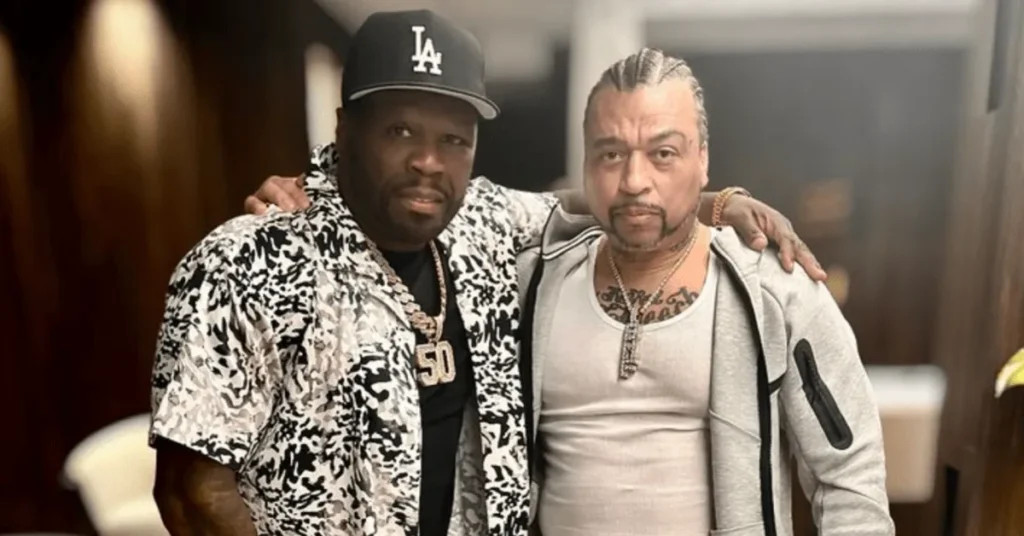
His influence also led to new controversies. In 2024, rap mogul 50 Cent ignited a public feud, alleging that Meech had “snitched” by using a third party to cooperate with federal investigations to reduce his sentence. Meech responded from confinement with a rare public statement: “I never folded, never told, never will. Death before dishonor”. Now transferred to a Residential Reentry Management (RRM) facility in Florida, he is serving out the final days of a sentence that stripped him of his prime but not his notoriety
CONCLUSION: THE KING RETURNS
Today, as Demetrius Flenory finishes his sentence in community confinement, the world he returns to is very different from the one he left in 2005. He left as a drug lord; he returns as a pop culture icon.
The story of Big Meech is a cautionary tale of ambition without limits. It serves as the ultimate case study of the “American Dream” warped by the streets. From the $270 million empire to the 30 years in federal custody, and now, finally, to freedom, the question “who is Big Meech?” has been answered. He is the man who proved that the world truly was BMF’s—until the bill came due.