KENNETH "SUPREME" MCGRIFF AND THE SUPREME TEAM: THE REAL STORY OF QUEENS’ MOST NOTORIOUS GANG
INFAMY - A TRUE CRIME PODCAST
| The Supreme Team: Historical File | |
|---|---|
| Key Figures | Kenneth "Supreme" McGriff & Gerald "Prince" Miller |
| Base of Operations | Baisley Park Houses (South Jamaica, Queens) |
| Estimated Revenue | $500,000 per day (Peak era) |
| Operational Model | Paramilitary / Corporate (24/7 Operations) |
| Music Connections | Murder Inc., 50 Cent, Nas |
| Current Status | McGriff: Life Imprisonment | Miller: Released Sept 2024 |
In the violent landscape of the 1980s crack era, few organizations commanded as much respect—and fear—as the Supreme Team. While Harlem’s criminal history was built by founding fathers like Bumpy Johnson and mysterious figures like Frank Matthews, South Jamaica, Queens, became the fortress of Kenneth “Supreme” McGriff.
McGriff wasn’t just a street hustler; he was a visionary who treated his criminal enterprise with the cold efficiency of a corporate CEO. Under his leadership, the Supreme Team gang evolved into a paramilitary organization that influenced fashion, music, and the very fabric of New York’s history, setting the stage for future empires that would dominate the cultural landscape.
THE BIRTH OF AN EMPIRE: BAISLEY PARK AND THE RISE OF THE SUPREME TEAM
The story of the Supreme Team begins at the Baisley Park Houses Queens. This public housing complex served as the strategic headquarters for an operation that authorities would eventually describe as “Fortune 500” in its complexity.
Unlike the disorganized crews of previous decades, McGriff built his organization following the organizational steps of Nicky Barnes and The Council. The team operated 24 hours a day, mirroring the business model of global franchises like McDonald’s. They didn’t just sell; they managed. The team patrolled the projects in bulletproof vests and high-end cars to ensure “customer service” was uninterrupted and logistics were flawless. At its peak, this level of organizational discipline allowed the team to pull in a staggering $500,000 per day—a level of dominance that even local rivals like Lorenzo “Fat Cat” Nichols had to acknowledge.
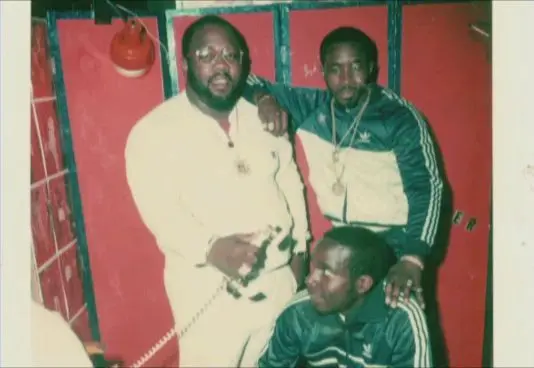
KENNETH MCGRIFF VS. GERALD "PRINCE" MILLER: TWO LEADERS, ONE VISION
While Kenneth McGriff was the charismatic figurehead and strategic mind, Gerald “Prince” Miller was the operational muscle. Together, they formed a leadership duo that made the Supreme Team juggernauts in the streets. Unlike the corporate heroin model of Frank Lucas, which relied on international smuggling routes, the Supreme Team focused on absolute domestic territorial control and a modernized distribution network.
Miller was known for his ruthless enforcement of the team’s rules, yet his story has taken a dramatic turn. In a development that provides a rare look at the long-term impact of the war on drugs, Gerald Miller has undergone a total transformation. After serving over 20 years and facing six life sentences, Miller was released from prison on September 20, 2024, thanks to the “First Step Act” and his documented rehabilitation—a significant update that has reshaped the legacy of the Queens drug trade.
THE 50 CENT FEUD AND THE MURDER INC. CONNECTION
The Supreme Team legacy is inextricably linked to the music industry, specifically through Murder Inc. and its founder, Irv Gotti. This connection bridged the gap between the streets and Hollywood, with McGriff’s influence extending into the careers of artists like Nas and Ashanti. This synergy between the streets and the boardroom served as a precursor to the drug-and-music empire later built by Big Meech, Southwest T, and Tonesa Welch of the BMF.
However, no relationship was as volatile as the one with Curtis Jackson, better known as 50 Cent.
THE SHOOTING OF CURTIS JACKSON: MYTH VS. REALITY
The 50 Cent Supreme Team connection is most infamously defined by the assassination attempt on the rapper. Authorities and street legends alike claim that Kenneth McGriff was the man responsible for ordering the shooting of 50 Cent. While 50 Cent survived nine bullets to become a global superstar, the shadow of “Supreme” loomed over his career for years. This feud was more than just a rap beef; it was a collision between the old street code and the emerging media era.
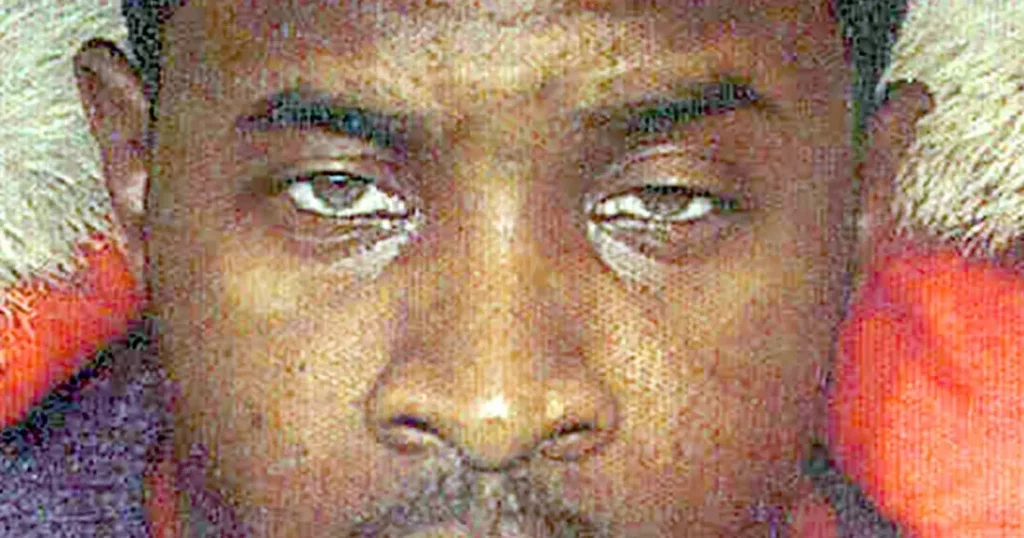
THE FALL OF SUPREME: LIFE SENTENCES AND THE END OF AN ERA
The federal government eventually dismantled the empire using the RICO act. Kenneth McGriff’s storied career ended with a life Sentence after he was found guilty of orchestrating a murder-for-hire plot. His fall marked the end of an era where drug crews could operate with the impunity of legitimate corporations.
The Queens streets of this era were defined by ruthless figures; while the Supreme Team managed their empire like a business, others like Clarence “Preacher” Heatley utilized far more chaotic and violent tactics that eventually brought even more federal heat to the city. Unlike the flashy escapes of the past, the crackdown on South Jamaica was absolute. Their story has since been immortalized in the Supreme Team documentary series on Showtime, featuring insights from those who witnessed the rise and fall firsthand, including figures like Guy Fisher who navigated similar transitions from the street to the Council.
WHERE ARE THEY NOW? IS KENNETH SUPREME MCGRIFF STILL ALIVE?
For those asking is Kenneth Supreme McGriff still alive, the answer is yes. He remains incarcerated, serving his life sentence without the possibility of parole.
However, the most compelling “where are they now” story belongs to Gerald “Prince” Miller. Since his release in late 2024, Miller has spoken openly about his time in the high-security Big Sandy prison, where he served as a tutor to help other inmates prepare for their reentry into society. This shift from gang leader to mentor adds an ethical and rehabilitative layer to the story, contrasting sharply with the tragic ends of peers like Wayne Perry or the early demise of Azie Faison‘s empire. Miller’s journey from six life sentences to freedom in 2024 remains the most significant update in the history of New York’s original crack kingpins.