| Ellsworth "Bumpy" Johnson: Historical Record | |
|---|---|
| Full Name | Ellsworth Raymond Johnson |
| Nickname Origin | Skull protrusion (Bumpy) |
| Primary Territory | Harlem, New York |
| Key Allies | Stephanie St. Clair, Malcolm X |
| Prison Record | Alcatraz (1954–1963) |
| Date of Death | July 7, 1968 |
| Cause of Death | Heart Failure (Wells Restaurant) |
While the hit series Godfather of Harlem has brought the name back into the spotlight, the Bumpy Johnson real life narrative is far more nuanced than any television script. Ellsworth Raymond Johnson was not merely a gangster; he was a strategic ruler who served as the unofficial ambassador of Harlem for nearly four decades.
To separate the man from the myth, we must look at the historical records provided by those who knew him best—including his wife, Mayme Johnson. From his strategic alliances with the Genovese Family to his deep-seated brotherhood with civil rights leaders, Bumpy Johnson remains the most influential figure in American underworld history.
WHO WAS BUMPY JOHNSON? FROM CHARLESTON TO THE THRONE
Born in Charleston in 1905, young Ellsworth’s path was shaped by the harsh realities of racial segregation. A defining trauma occurred at the age of 14, when his brother, Willie, was forced to flee to New York to avoid a lynching after being accused of a crime against a white man. This fear for his family’s safety led Bumpy’s parents to send him to Harlem in 1919.
It was in the pulsing heart of Manhattan that he earned the moniker that would strike fear into his enemies. The name Bumpy was a literal description of a distinctive protrusion on his forehead. However, beneath that “bumpy” exterior was a brilliant mind that could have easily made him a doctor or lawyer had the era offered equal opportunity. Instead, Bumpy chose the streets, rising through the ranks to become the only African American gangster capable of standing up to the powerful Italian Mafia.
THE WAR FOR HARLEM: STEPHANIE ST. CLAIR VS. DUTCH SCHULTZ
The rise of Bumpy Johnson is inseparable from his mentor, Stephanie St. Clair, known as “Queenie.” In the 1930s, Queenie ran the policy banks (the illegal lottery) in Harlem. When the brutal mobster Dutch Schultz attempted to move in and take over the neighborhood’s gambling operations, Queenie and Bumpy fought back.
This War of the Numbers was a bloody battle for Harlem’s independence. Bumpy became the strategic commander of Queenie’s forces, resisting Schultz’s attempts at subjugation. Eventually, the Italian Mafia—led by figures like Lucky Luciano—realized it was more profitable to deal with Bumpy as an equal than to fight him. Bumpy brokered a peace that allowed him absolute control over Harlem, provided the Italians got their cut. He was the exception to the rule, a man who held absolute power in a time of deeply ingrained discrimination.
BUMPY JOHNSON AND MALCOLM X: A BROTHERHOOD OF PROTECTION
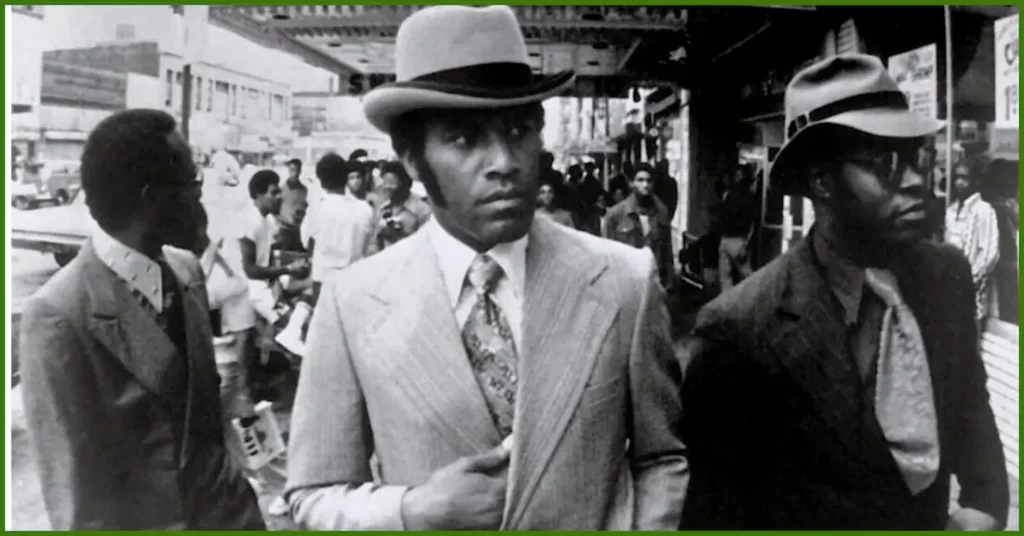
One of the most profound aspects of the Godfather of Harlem story is the relationship between Bumpy Johnson and Malcolm X. They met in the 1940s when Malcolm was a young waiter at Smalls Paradise. Their bond transcended the criminal world; it was a brotherhood built on mutual respect and a shared desire to protect the community.
History reveals that Bumpy provided security for Malcolm when the leader’s life was threatened. Following the assassination of Malcolm X, Bumpy did not sit idly by. Sources indicate that Bumpy used his underworld connections to investigate the murder, reportedly utilizing a “notebook of clues” left by Malcolm to hunt down those involved. His role as a protector was a duty he took seriously until the very end.
REALITY VS. TV: FACT-CHECKING THE "GODFATHER OF HARLEM"
The television portrayal often blends multiple historical figures or timeline events for dramatic effect. When analyzing the Bumpy Johnson real life story, several discrepancies emerge. To separate the man from the myth, it is essential to look into the records provided by those who knew him best—including his wife, Mayme Johnson, in her definitive biography, “Harlem Godfather”.
THE DAUGHTER ELISE AND THE NIPOTE MARGARET
In the series, the family dynamics are highly dramatized. In reality, Bumpy Johnson daughter, Elise, did struggle with addiction, a tragedy that haunted Bumpy. However, it was his granddaughter, Margaret, whom Bumpy and his wife Mayme raised as their own. The show often conflates these roles to emphasize Bumpy’s internal struggle between his criminal empire and his domestic life.
THE ALCATRAZ YEARS
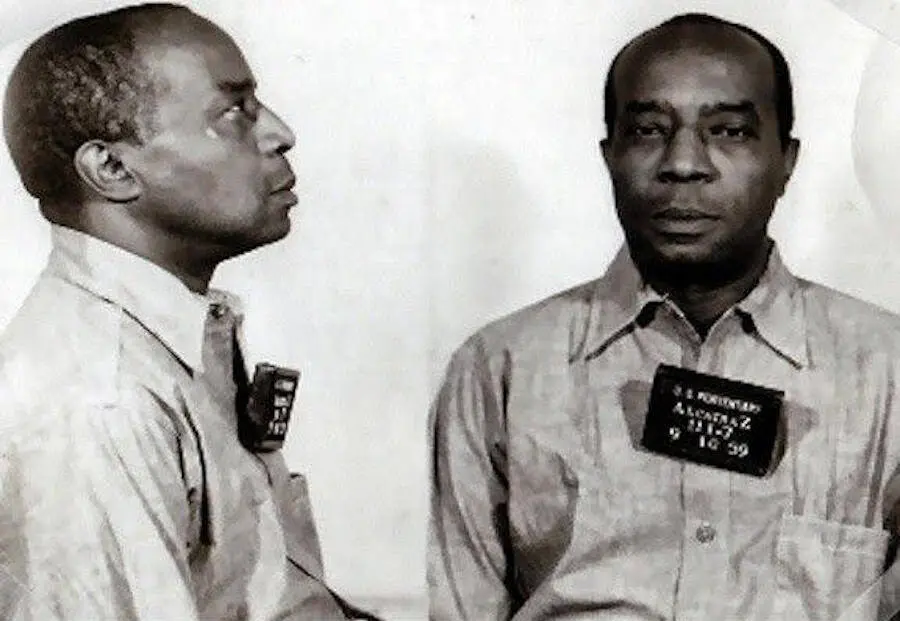
A critical part of Bumpy’s expertise and legend involves his time in Alcatraz. Sentenced in 1954 for drug trafficking—charges he maintained were a frame-up—he served nine years in the world’s most notorious prison. According to the official Alcatraz inmate records held at the National Archives, Johnson’s time on “The Rock” was defined by a strict adherence to his own code.ì. Rumors persist that Bumpy helped coordinate the famous 1962 escape of the Anglin brothers by providing contacts for a boat once they hit the water. He returned to Harlem in 1963 as a living legend, only to find a neighborhood that was rapidly changing.
HOW DID BUMPY JOHNSON DIE? THE LAST MEAL AT WELLS RESTAURANT
One of the most frequent search questions is: how did Bumpy Johnson die? Unlike many of his contemporaries who died in a hail of bullets, the end for Bumpy was quiet but iconic.
On the night of July 7, 1968, Bumpy was dining at his favorite spot, the Wells Restaurant on 132nd Street. He was 62 years old and had been suffering from cardiac problems since the previous year. He was eating a final meal of fried chicken, coffee, and grits when his heart failed. He died in the arms of his lifelong friend, Junie Byrd.
His passing marked the end of an era of structured underworld order. Without his stabilizing and “gentlemanly” influence, Harlem would eventually descend into the ruthless and chaotic violence of the 1980s crack era—a dark period defined by the betrayal of Alpo Martinez and the tragic legend of Rich Porter.
His funeral was a testament to his social influence. The event was documented by the media at the time, including a detailed account in the New York Times archives, which noted that nearly 100 people gathered to pay tribute to the man they called the “Robin Hood of Harlem.” The service was attended by cultural icons like Count Basie, proving that while he was a pimp and a dealer, he was also a philanthropist who provided for the neighborhood when the government would not.
THE LEGACY: DEBUNKING THE FRANK LUCAS MYTH
To close the circle on Harlem’s history, we must address the relationship between Frank Lucas and Bumpy Johnson. In the movie American Gangster, Lucas (played by Denzel Washington) is portrayed as Bumpy’s protege and right-hand man for 15 years.
Mayme Johnson, Bumpy’s widow, was vocal in debunking this myth. She described Frank Lucas as a mere “flunky” or errand boy—someone who drove the car but was never a trusted lieutenant. Bumpy died at the restaurant, but Lucas was not the one by his side. By correcting this narrative, we restore the true weight of Bumpy’s legacy: he was a leader who stood alone at the top, and his death left a void that no “flunky” could ever truly fill.