FREEWAY RICK ROSS: THE REAL STORY OF THE ORIGINAL KINGPIN BEYOND THE SNOWFALL SERIES
INFAMY - A TRUE CRIME PODCAST
| SUBJECT: RICKY DONNELL ROSS (FILE #087-LA) | |
|---|---|
| ALIASES | Freeway Rick Ross, The Original Rick Ross |
| OPERATIONAL AREA | South Central Los Angeles (Global Distribution) |
| PEAK REVENUE | $2 - $3 Million / Day |
| AFFILIATIONS | Oscar Danilo Blandón, Norwin Meneses (CIA/Contras) |
| STATUS | Reformed / Youth Mentor / Author |
The name Rick Ross today evokes images of rap videos and luxury, but before the music industry adopted the moniker, there was only one Freeway Rick Ross. In the 1980s, Ricky Donnell Ross didn’t just participate in the drug trade; he industrialised it, changing the landscape of Los Angeles forever. This is the “Uncut Truth”—the raw, independent perspective of a man whose life story was shaped by the streets, not by a Hollywood script.
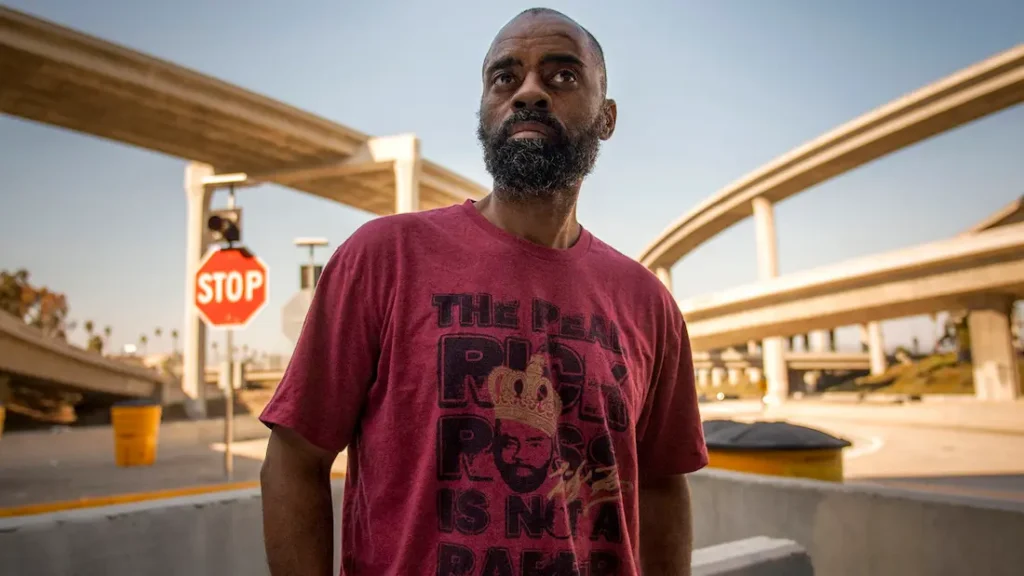
WHO IS THE REAL RICK ROSS? THE ORIGINAL VS. THE RAPPER
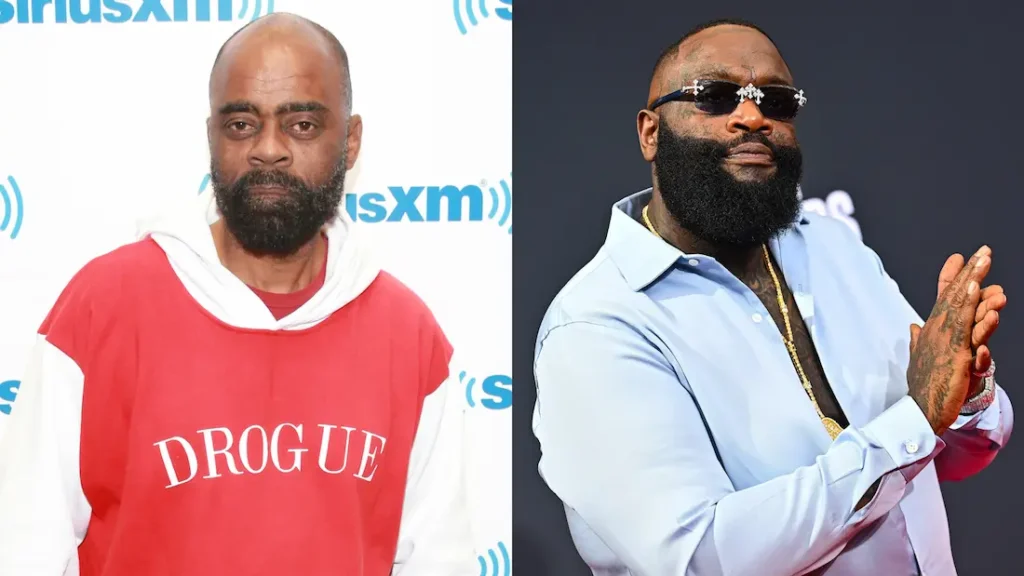
For many, the Rick Ross original rap name debate is the first point of contact with this story. The friction between the historical figure and the performer William Leonard Roberts II is not just a matter of “street cred,” but a multi-million dollar legal dispute.
THE $10 MILLION LEGAL BATTLE
The Freeway Rick Ross vs Rick Ross rapper conflict reached the courts when the original Kingpin sued Roberts for $10 million, alleging the misappropriation of his name and identity to build a rap persona. Ross sought half of the rapper’s royalties, claiming his life story was the foundation of the artist’s success.
WHY FREEWAY LOST THE CASE: THE STATUTE OF LIMITATIONS
Despite the clear similarities, Freeway lost the battle. The judge’s decision rested on a technicality: the statute of limitations. The court ruled that Ross should have filed the lawsuit within two years of discovering the name’s use in 2006. By the time he filed in 2010, he was legally barred. Not only did he lose the name, but he was also ordered to pay nearly $1 million in legal fees for the opposition—a stark lesson in the complexities of the legal system.
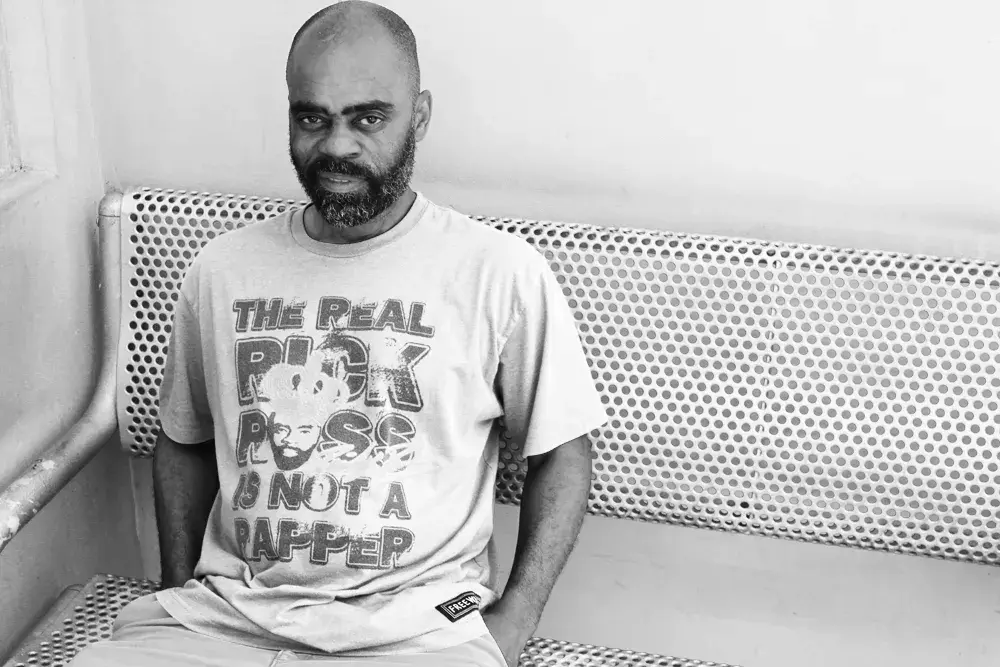
FROM SOUTH CENTRAL TO THE CRACK EMPIRE: THE ORIGINS
Understanding the crack epidemic Los Angeles 1980s requires understanding where Ricky Ross came from. Born into poverty and raised without a father, Ross found his “family” in the burgeoning gang culture of the era.
THE "FREEWAY" NICKNAME
The alias wasn’t a marketing choice; it was geographical. Ross grew up right off the Harbour Freeway (the 110) near Figaro Street. His proximity to the massive L.A. artery became his identity as he began his ascent.
THE FAILED TENNIS CAREER AND ILLITERACY
Ross was a gifted athlete, excelling in tennis. However, the system failed him. His illiteracy prevented him from securing a college scholarship, slamming the door on a legitimate future. With no other path visible, he turned to the streets.
THE INFLUENCE OF STREET FOUNDERS
His early years were shaped by legends of the L.A. underworld, including Raymond Washington (founder of the Crips) and Tookie Williams. These figures provided the “education” that the school system denied him, setting the stage for his future role as a kingpin.
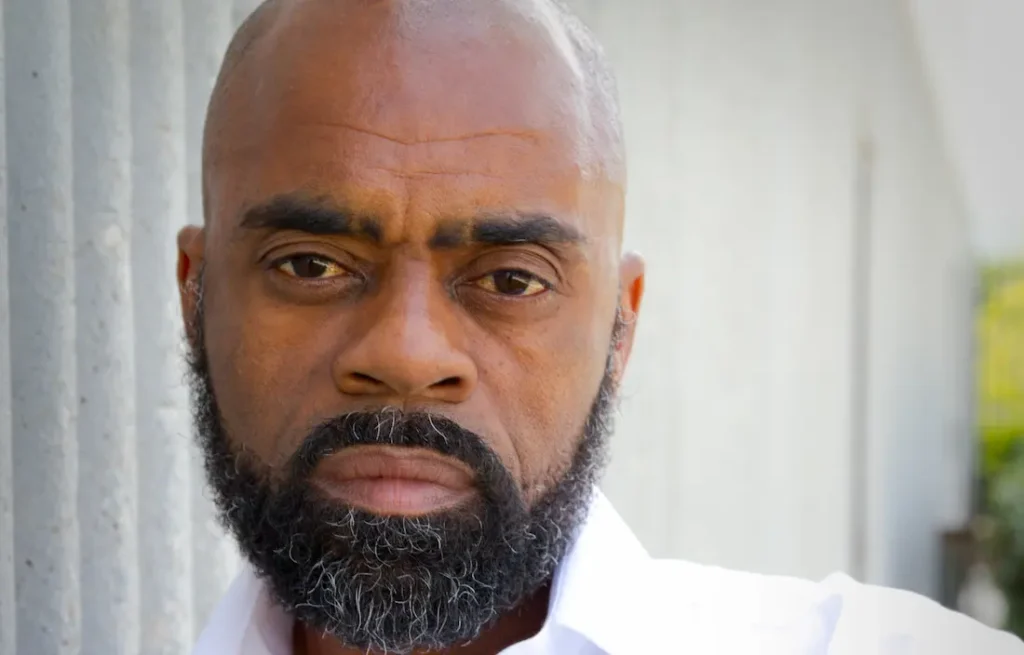
THE KINGPIN’S NUMBERS: A RECORD-BREAKING TURNOVER
When discussing Freeway Rick Ross net worth, the figures are staggering, even by modern standards. At his peak, Ross was moving tonnes of cocaine across the United States.
$2 MILLION A DAY
Government estimates and Ross’s own accounts confirm a turnover of $2 to $3 million per day. He was selling crack at a volume that made him a central pillar of the local economy, albeit an illicit one.
PEAK REVENUE AND THE $900 MILLION EMPIRE
At the height of his power, the government estimated his total traffic at roughly $900 million in cocaine sales. Adjusted for inflation, this represents an empire worth billions today. Ross managed a logistics network that rivalled legitimate corporations, controlling properties and cash reserves that made him an “anti-hero” in urban circles.
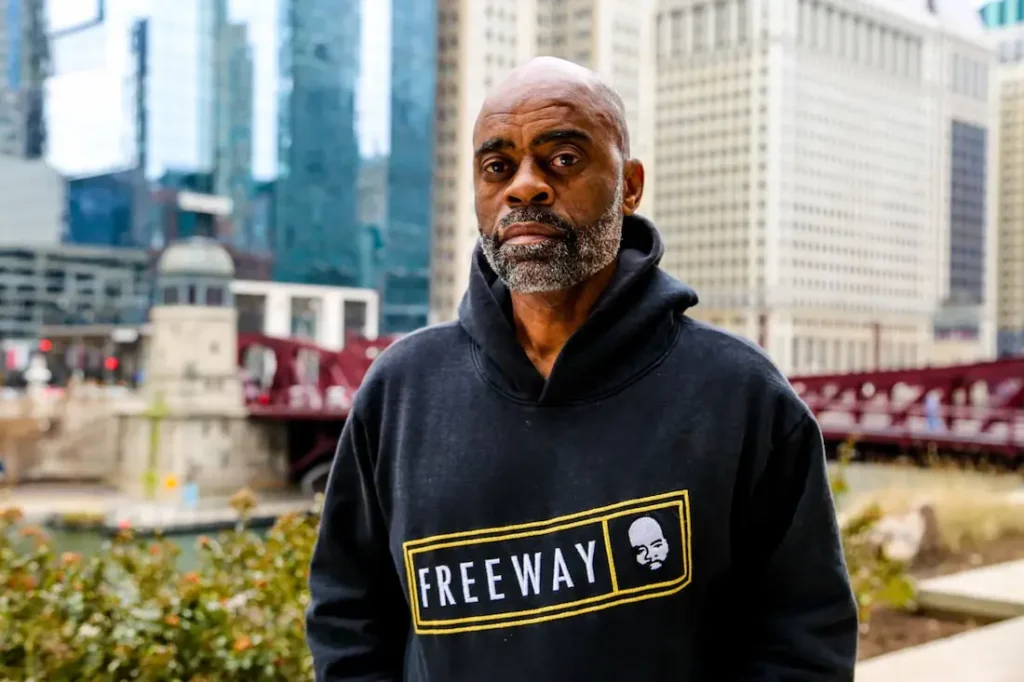
THE CIA SCANDAL AND THE "DARK ALLIANCE"
The most controversial chapter of his life involves the Freeway Rick Ross CIA connection. This wasn’t just a street-level operation; it was a geopolitical chess move.
THE NICARAGUAN CONNECTION: BLANDÓN AND MENESES
Ross’s primary supplier was Oscar Danilo Blandón, assisted by Norwin Meneses. These were not typical traffickers; they were linked to the Contras, a rebel group seeking to overthrow the Nicaraguan government.
THE IRAN-CONTRA AFFAIR
Through the investigative work of journalist Gary Webb in his Dark Alliance series, it was revealed that the profits from Ross’s drug sales in Los Angeles were being used to fund the Contras’ war. This connection between the CIA, the Contras, and the destruction of inner-city Los Angeles remains one of the darkest scandals in American history.
SNOWFALL VS. REALITY: WHAT’S TRUE IN THE TV SERIES?
The popularity of the series has led many to ask: Is Snowfall based on Freeway Rick Ross? While the show captures the era, Ross has a complicated relationship with the production.
THE RELATIONSHIP WITH JOHN SINGLETON
Ross worked closely with director John Singleton to develop a film about his life. However, he alleges that Singleton took those unique details and used them to create Snowfall without Ross’s consent, credit, or financial compensation.
THE ENCOUNTER WITH DAMSON IDRIS
In a moment of “Experience” only Ross can provide, he recounts meeting actor Damson Idris at a Whole Foods in downtown L.A. Ross, who admittedly doesn’t watch the show, didn’t recognise the actor until his managers pointed it out. Despite the legal bitterness, he described the “English guy” as a nice individual, though he maintains that the show’s portrayal is far from the reality he lived.
"NOT TAINTED BY HOLLYWOOD"
Ross remains vocal about his story being “not tainted by Hollywood.” He refuses to see his character distorted or his history commercialised without his direct oversight, aiming instead for an independent telling of his life.
FREEWAY RICK ROSS TODAY: REBIRTH AND SOCIAL IMPACT
After serving a life sentence that was eventually overturned, Ross returned to society with a different mission.
FROM PRISON TO FREEDOM
His release was a miracle of legal persistence. By uncovering the federal involvement in his supply chain and the CIA connections, his legal team successfully challenged his life sentence, leading to his eventual release.
EMPOWERING THE YOUTH
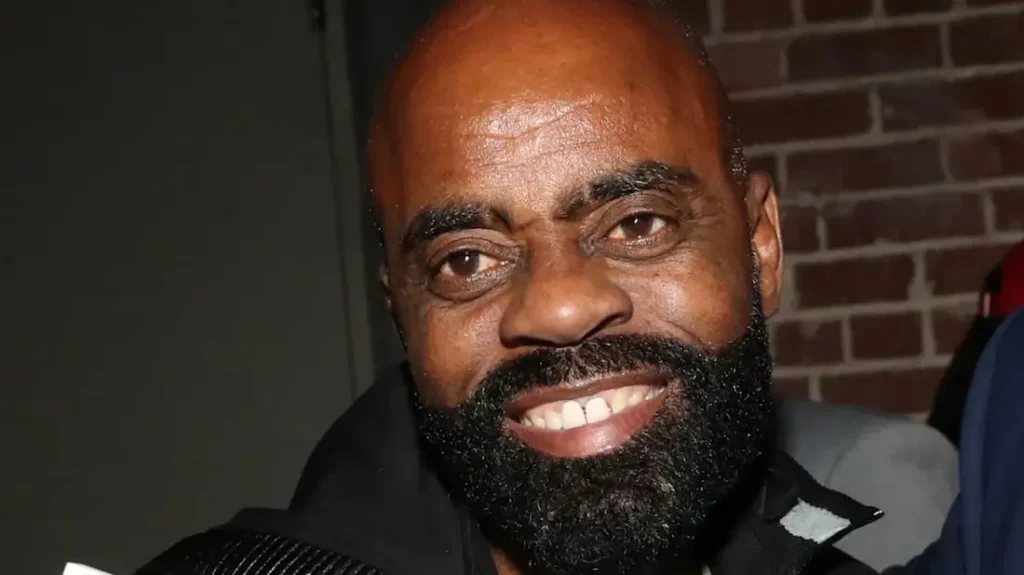
Today, Ross is a reformed figure. He spends his time as a consultant and mentor, using his “Expertise” to steer young people away from the path he once took. He has transformed from a kingpin into an author and entrepreneur, proving that even the most complex lives can find redemption.
CONCLUSION
The legacy of Freeway Rick Ross is a tapestry of American history, from the streets of South Central to the halls of power in Washington D.C. He is more than just a name; he is a witness to an era that redefined the world. To dive deeper into the “Uncut Truth,” subscribe to our channels and follow the podcast for more exclusive insights into the legends of the street.