THE FOUNDATION OF AN EMPIRE: LARRY HOOVER AND THE BIRTH OF THE GANGSTER DISCIPLES
INFAMY - A TRUE CRIME PODCAST
| Larry Hoover: The Foundation Phase | |
|---|---|
| Key Figure | Larry Hoover (The Chairman) |
| Co-Founder | David Barksdale (King David) |
| Territory | Chicago South Side |
| Formation Year | 1969 (Merger of Gangsters and Disciples) |
| Philosophy Evolution | From BGDN to Growth and Development (G&D) |
| Federal Landmark | Operation Family Ties (1995) |
While the streets of New York in the 1960s were being shaped by the power of Bumpy Johnson and the strategic rise of Frank Lucas, a different kind of organizational movement was brewing in the Midwest. In the heart of the Chicago South Side, a young and charismatic leader named Larry Hoover was beginning to construct what would become one of the most sophisticated organizations in American history.
The story of Larry Hoover is not just about street control; it is about the evolution of power. To understand his current status and the impact of federal investigations like Operation Family Ties, one must go back to the beginning—the era of the foundation.
CHICAGO SOUTH SIDE: THE 1960S CRADLE OF THE BLACK GANGSTER DISCIPLE NATION
In the 1960s, Chicago was a city of rigid boundaries and intense social shifts. The South Side became the laboratory for street organizations that sought to protect their neighborhoods while establishing dominance. Larry Hoover emerged as the leader of the “Supreme Gangsters,” but he realized that fragmented power was a liability.
At the same time, David Barksdale, a formidable figure known on the streets as King David, led the “Disciples.” Unlike the independent operations seen in Harlem with Nicky Barnes, the Chicago landscape necessitated a broader alliance. This necessity led to the pivotal year of 1969, when Hoover and Barksdale agreed to a historic merger, creating the Black Gangster Disciple Nation (BGDN).
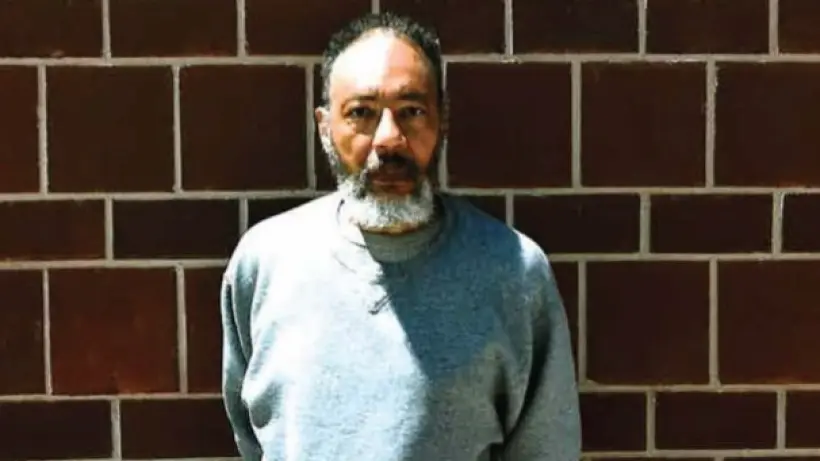
WHO STARTED THE GANGSTER DISCIPLES? THE ALLIANCE OF LARRY HOOVER AND DAVID BARKSDALE
The alliance between Larry Hoover and David Barksdale was built on mutual respect and a shared vision of disciplined growth. Barksdale’s street legend provided the lineage and the “King” status, while Hoover’s strategic mind provided the blueprint for the future.
This merger was the spark that eventually led to a national network. It created a hierarchy that would later influence organizations like the BMF (Big Meech, Southwest T and Tonesa Welch), which adopted similar “corporate” structures to manage their operations across state lines. The BGDN was not just a crew; it was a nation with its own laws, symbols, and a rigid chain of command that focused on the Chicago territory as its sovereign base.
FROM DEVIL'S DISCIPLES TO FOLKS NATION: THE EVOLUTION OF STREET POWER
Before the BGDN became a household name, the roots of the movement were planted in groups like the Devil’s Disciples. The evolution was marked by the adoption of the six-pointed star (the Star of David), chosen to honor David Barksdale’s legacy. This symbolism became the cornerstone of the Folks Nation, a massive alliance that Hoover would later lead from behind prison walls.
The transition from these early “warrior” phases to a more structured entity was the first step toward Hoover’s ultimate rebranding of the organization into Growth and Development. Even during this early period, the organizational discipline was far more advanced than the chaotic crews seen in cities like Washington D.C. or the “Dodge City” era, making Hoover the undisputed “Chairman.”
THE LEGACY OF KING DAVID BARKSDALE AND THE ROAD TO GROWTH AND DEVELOPMENT
David Barksdale passed away in 1974 due to complications from previous gunshot wounds, leaving Larry Hoover as the sole architect of the nation’s future. Barksdale’s death solidified his status as a martyr and a “King” within the lore, validating the lineage that Hoover would use to maintain loyalty for decades.
With absolute control, Hoover began the process of shifting the organization’s public face. He moved away from the “Gangster” label, advocating for a transition into growth and development. This philosophical shift was intended to move the members toward community activism and political power, a move that authorities during Operation Family Ties would later claim was a sophisticated cover for continued criminal activity. However, for the members on the South Side, the transition represented a hope for legitimacy that mirrored the efforts of figures like Guy Fisher, who also sought a path of education and community impact while incarcerated.